

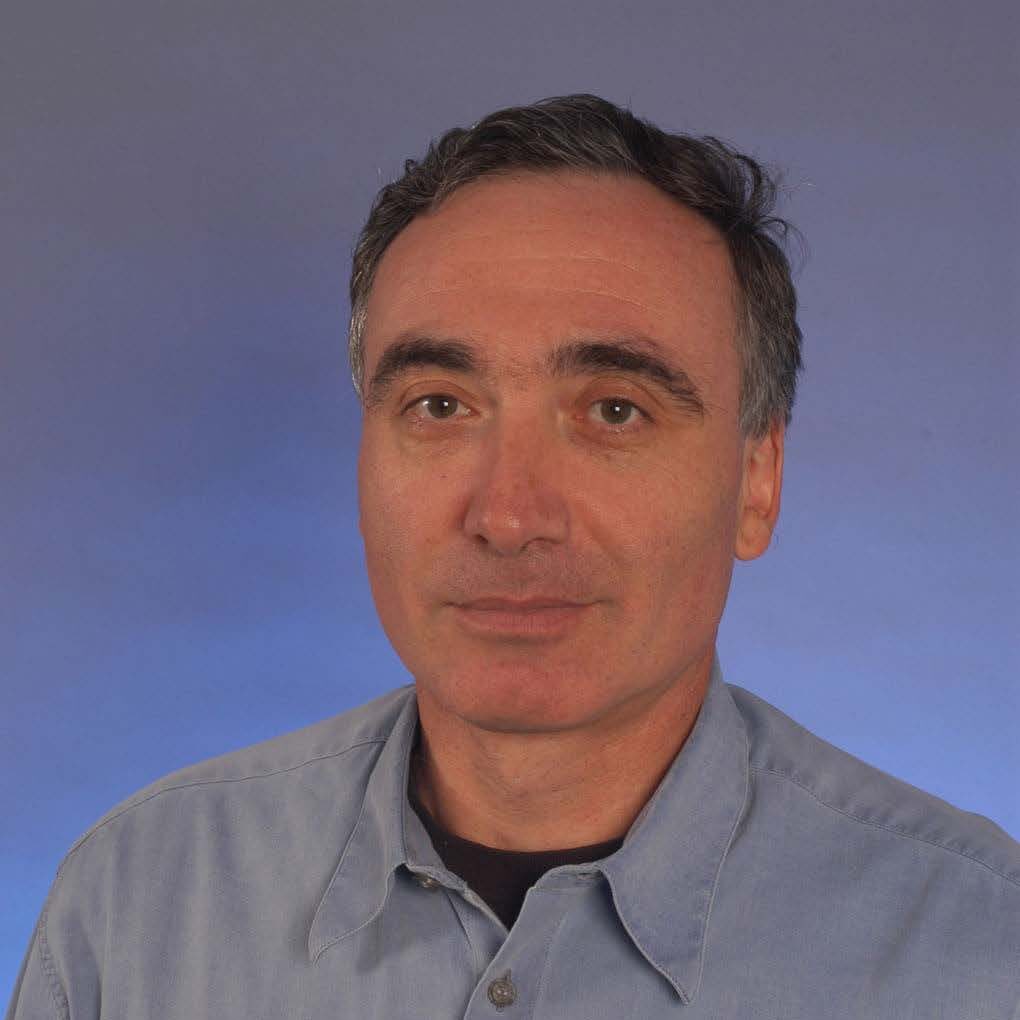
Prof. Pierre Baldi (UC Irvine, California)
Pierre Baldi earned MS degrees in Mathematics and Psychology from the University of Paris, and a PhD in Mathematics from the California Institute of Technology. He is currently Distinguished Professor in the Department of Computer Science, Founding Director of the AI in Science Institute, and Associate Director of the Center for Machine Learning and Intelligent Systems at the University of California Irvine. The long term focus of his research is on understanding intelligence in brains and machines. He has made several contributions to the theory of AI and deep learning, and developed and applied AI and deep
learning methods for the natural sciences, to address problems in physics, chemistry, and bio-medicine.
Examples of application problems include the detection of exotic particles in physics, the prediction of reactions in chemistry, and the analysis of images in bio-medicine. He is currently also studying some of the societal challenges posed by AI, such as the tension between academic and corporate AI research and the quest for AI safety frameworks. He has published ~400 journal articles and fie books, including: Deep Learning in Science, Cambridge University Press, 2021. His honors include the 1993 Lew Allen Award at JPL, the 2010 E. R. Caianiello Prize for research
in machine learning, the 2023 Dennis Gabor Award of the International Neural Network Society, and election to Fellow of the AAAS, AAAI, IEEE, ACM, and ISCB. He serves as Associated Editor for Artificial Intelligence, Neural Networks, and the IEEE/ACM Transactions in Computational Biology and Bioinformatics. He has mentored ~100 graduate students and postdoctoral fellows and co-founded several startup companies.
Talk: The Theory of Synaptic Neural Balance
We develop a general theory of synaptic neural balance and how it can emerge or be enforced in neural networks. For a given regularizer, a neuron is said to be in balance if the total cost of its input weights is equal to the total cost of its output weights. The basic example is provided by feedforward networks of ReLU units trained with L2 regularizers, which exhibit balance after proper training. The theory explains this phenomenon and extends it in several directions. The first direction is the extension to bilinear and other activation functions. The second direction is the extension to more general regularizers, including all Lp regularizers. The third direction is the extension to non-layered architectures, recurrent architectures, convolutional architectures, as well as architectures with mixed activation functions. Gradient descent on the error function alone does not converge in general to a balanced state, where every neuron is in balance, even when starting from a balanced state. However, gradient descent on the regularized error function ought to converge to a balanced state, and thus network balance can be used to assess learning progress. The theory is based on two local neuronal operations: scaling which is commutative, and balancing which is not commutative. Given any initial set of weights, when local balancing operations are applied to each neuron in a stochastic manner, global order always emerges through the convergence of the stochastic balancing algorithm to the same unique set of balanced weights. The reason for this is the existence of an underlying strictly convex optimization problem where the relevant variables are constrained to a linear, only architecture-dependent, manifold. Simulations show that balancing neurons prior to learning, or during learning in alternation with gradient descent steps, can improve learning speed and final performance. Finally, we show how synaptic balancing is intimately connected to questions of neural overparameterization and algebraic geometry, and discuss the relevance of synaptic neural balance for neurobiological or neuromorphic neural networks.
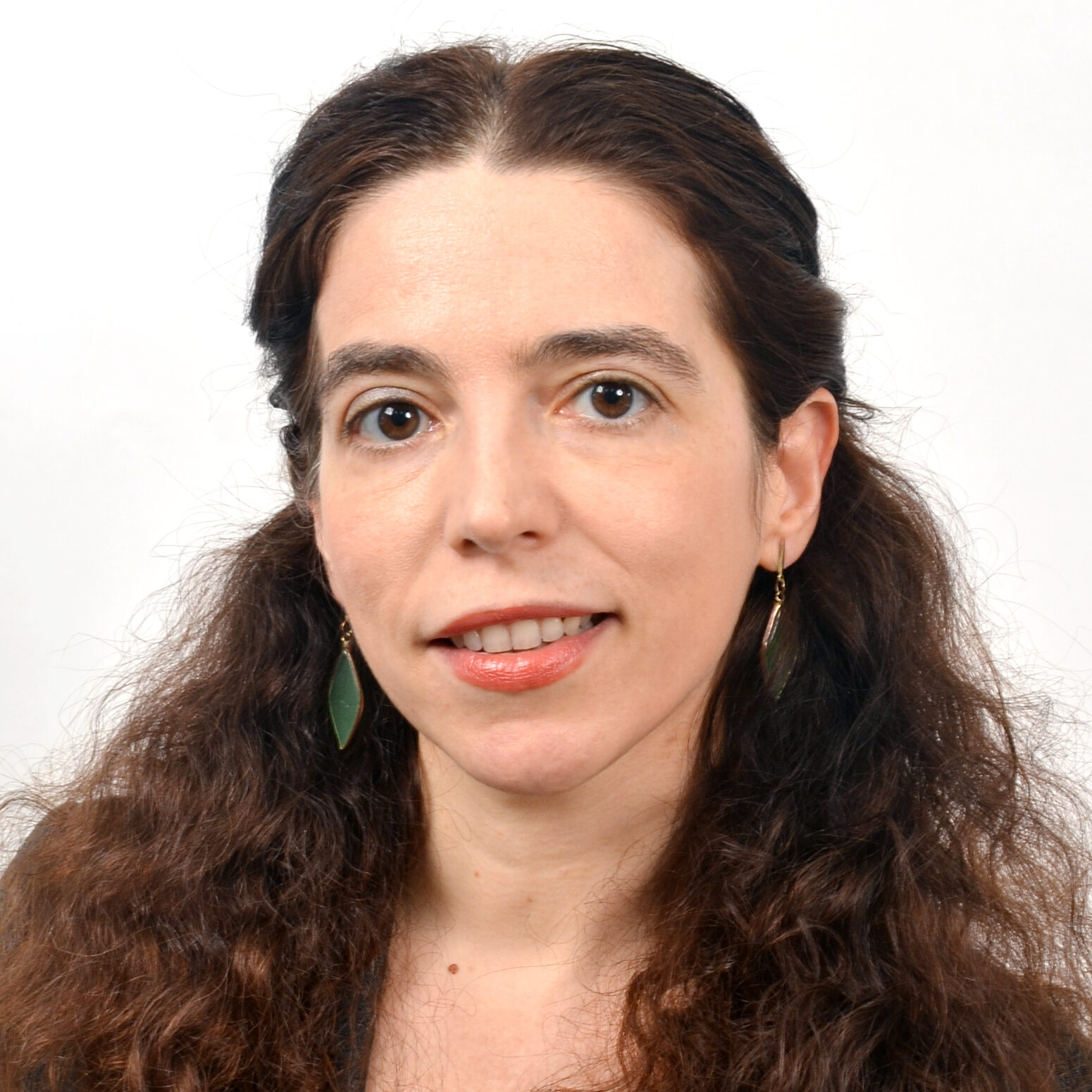
Prof. Ginestra Bianconi (Queen Mary University of London, UK)
Ginestra Bianconi is Professor of Applied Mathematics in the School of Mathematical Sciences of Queen Mary University of London. She is member or the European Academy of Sciences. Awards: Euler Prize, APS Fellow, Network Science Fellow and chair Franqui 2023.
Her research activity focus on Statistical Mechanics, Information and Network Theory. She has formulated the Bianconi-Barabasi model that displays the Bose-Einstein condensation in complex networks. She has formulated the statistical mechanics of network ensembles and she has proven their non-equivalence. She has made important contributions is revealing the interplay between structure and dynamics in networks and complex systems with applications in brain research.
Her recent work focuses on revealing the interplay between geometry, topology and dynamics on generalized network structures such as multilayer networks and simplicial complexes. She is author of two books ‘Multilayer networks: structure and function’ (Oxford University Press,2018) ‘Higher-order networks-An introduction to simplicial complexes’ (Cambridge University Press, 2021).
Talk: Topology shapes dynamics of higher-order networks
Complex systems like the brain, climate, and next-generation artificial intelligence rely on interactions that extend beyond simple pairwise relationships. This talk reveals the critical role of higher-order networks, structures that capture multi-body interactions, in shaping the dynamics of such systems.
By integrating algebraic topology with non-linear dynamics, the research highlights how topological signals, dynamical variables defined on nodes, edges, triangles, and other higher-order structures, drive phenomena such as topological synchronization, pattern formation, and triadic percolation. The surprising result that emerges from this research is that topological operators including the Topological Dirac operator, offer a common language for treating complexity, AI algorithms, and quantum physics.
These findings not only advance the understanding of the underlying mechanisms in neuroscience and climate science but also pave the way for innovative machine learning algorithms inspired by theoretical physics.
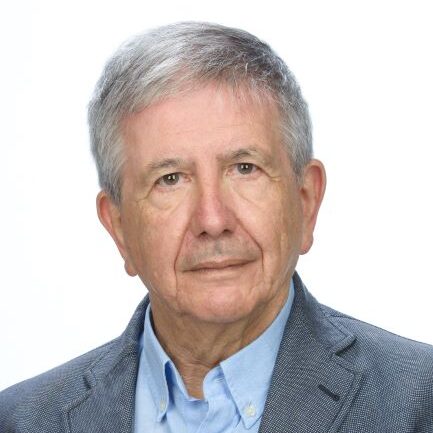
Prof. José María Delgado García (Siviglia, Spain)
José María Delgado García was born in Seville (Spain) in 1945 and graduated in Medicine at Seville University in 1969. He obtained his PhD in 1972 with a study on the electrophysiology of the limbic system. He completed his scientific training at several European (Oxford, Paris) and American (Iowa, New York) research centers.
In Spain, he founded the Laboratorio de Neurociencia at Seville University (1978–1999), where young researchers received training in various aspects of neural motor control and the regenerative capabilities of the central nervous system (CNS). His main scientific contributions were related to the study of the neural mechanisms underlying eye and postural position holding, as well as the roles of nitric oxide, glutamate, and acetylcholine in these processes.
Later, at Pablo de Olavide University (2000–2026), he contributed to the description of the complex premotor neural system involved in the generation of learned motor responses, using in vivo electrophysiology and Pavlovian, instrumental, Go/No-Go, and social conditioning paradigms. An electrophysiological study from his laboratory, conducted with behaving wild-type and transgenic mice during associative learning, was recognized by Science as one of the ten scientific breakthroughs of 2006.
Other important contributions of his research group are related to the neural control of the ocular, facial, and respiratory systems, as well as to the regenerative capabilities of the mammalian central nervous system.
Talk: Functional states corresponding to different types of associative and social learning taks
The most important thing that I have learned across my scientific life is that the complexity of brain functions can only be approached by multidisciplinary, comparative, and at live approaches. The availability of genetically manipulated mammals (mice and rats) and of sophisticated electrophysiological and pharmacological techniques, susceptible of being applied in behaving animals during the acquisition of new motor and cognitive abilities, have largely facilitated my scientific approach in the past 20 years. In this regard, our group has studied the contribution of cortical, subcortical and cerebellar circuits to associative (Pavlovian, instrumental), social, brain-machine, and decision-making learning paradigms. For this, we have recorded unitary firing rates, local field potentials, and activity dependent changes in synaptic strength in cortical and subcortical neurons during the respective acquisition processes. The main output of our studies is that learning is the result of the activity of wide cortical and subcortical circuits activating particular functional properties of involved synaptic nodes and that brain functions during learning processes have to be studied at the very moment of the acquisition process.
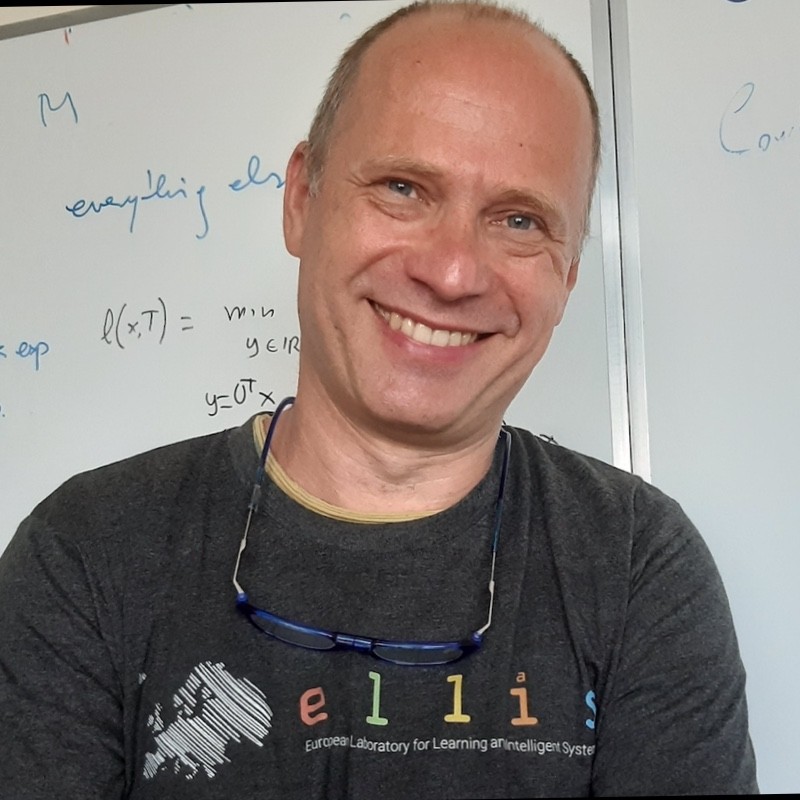
Prof.Massimiliano Pontil (Italian Insititute of Technology, Genova)
Massimiliano Pontil is a Principal Investigator at the Italian Institute of Technology, where he leads the Computational Statistics and Machine Learning (CSML) unit, and serves as co-director of the ELLIS Unit Genoa, a joint effort of the IIT and the University of Genoa. He is also a Professor at University College London and a member of the UCL Centre for Artificial Intelligence. His research concerns the theory and algorithms of machine learning, including kernel methods, meta-learning, multi-task and transfer learning, operator learning and dynamical systems, sparse estimation, and statistical learning theory. More information on Massimiliano’s research interests and accomplishments can be found at: https://www.iit.it/people-details/-/people/massimiliano-pontil
Talk: Learning Linear Evolution Operators: Theory and Applications
Dynamical systems are central to science and engineering, with applications in climate modeling, molecular dynamics, robotics, neuroscience, finance, and beyond. Remarkably, despite their diversity, many such systems can be understood within the unifying framework of linear evolution operators. The key idea is to study how functions of the state evolve over time, instead of tracking the full state. This transforms a nonlinear problem into a linear one and enables spectral analysis to uncover global system dynamics. This perspective has a long history, rooted in foundational work by Markov, Koopman, and von Neumann. However, while conceptually powerful, linear evolution operators are often computationally intractable in high-dimensional settings. Consequently, over the past two decades, significant effort has focused on data-driven methods, yet their theoretical guarantees remain poorly understood. This talk presents a framework for placing data-driven approaches to dynamical systems on a firm statistical foundation. By formulating the problem of learning linear evolution operators from a statistical perspective, we develop novel learning algorithms backed by finite-sample learning guarantees, which show promising results in challenging real-world applications in molecular dynamics, climate modeling, and robotics. The algorithms provably learn evolution operators and their spectra, and leverage modern deep learning architectures to learn representations of dynamics efficiently and reliably. Finally, if time permits, I will discuss how linear operators play a central role in reinforcement learning and statistical inference, including uncertainty quantification and causality.

Prof. Ausra Saudargiene (Lithuanian University of Health Sciences)
Prof Ausra Saudargiene works at the Neuroscience Institute, Lithuanian University of Health Sciences; Department of Health Psychology, Lithuanian University of Health Sciences, and Faculty of Informatics, Vytautas Magnus University, Kaunas, Lithuania. She has extensive experience in interdisciplinary research at the interface of neuroscience, artificial intelligence, and medicine. Her work focuses on computational modeling of brain functions, machine learning, and AI-driven analysis of complex biomedical data to better understand neural mechanisms and neurological disorders, with the aim of advancing personalised brain medicine.
Prof Ausra Saudargiene is leading the EBRAINS Lithuania National Node (European Brain Research InfrastructureS) and is a member of the Executive Committee of the European Neural Network Society ENNS since 2022.
Talk: Toward Digital Brain Twins of Neurodegenerative Disorders
EBRAINS is a European digital brain research infrastructure for integrating multimodal neuroscience data, computational models, simulation tools, AI-assisted clinical research workflows within a shared ecosystem. By enabling interoperable data analysis pipelines and biologically informed large-scale simulations, EBRAINS supports a transition from descriptive neuroscience toward mechanistic and predictive models of brain disorders. Within the EBRAINS ecosystem, The Virtual Brain (TVB) provides a framework for constructing individualized whole-brain models by integrating patient-specific anatomical connectivity, empirical neurophysiological recordings, and biophysically interpretable neural mass models. This capacity to link empirical data with mechanistic simulations is particularly relevant for neurodegenerative disorders, which are characterized by progressive neuronal dysfunction and loss, often accompanied by widespread alterations in brain network dynamics. Parkinson’s disease, one of the most common neurodegenerative disorders, is marked by dopaminergic neuronal loss and heterogeneous motor and non-motor symptoms. In Parkinson‘s disease, TVB-based modeling is especially promising as both dopaminergic medication and deep brain stimulation modulate large-scale neural dynamics, yet the mechanisms underlying individual therapeutic responses remain incompletely understood. Integrating EEG-derived biomarkers with mechanistic whole-brain modeling may therefore support the development of patient-specific digital brain models and personalized neuromodulation strategies.
We combine EEG-derived biomarkers, including spectral connectivity, synchronization measures, burst dynamics, and neuronal avalanche statistics, with dopamine-sensitive neural mass modeling to characterize patient-specific brain dynamics across medication and deep-brain stimulation states. The results suggest that neuromodulation shifts individuals through different dynamical regimes, including pathological synchronization, asynchronous activity, bistability, and near-critical states. By linking AI-assisted feature extraction and model inversion with mechanistic whole-brain simulations, EBRAINS The Virtual Brain Twin can help infer latent physiological parameters such as excitability, synaptic gain, dopaminergic modulation, and network coupling. This interaction between AI, empirical biomarkers, and digital twin modeling offers a pathway toward predictive, patient-specific models of neurodegenerative disorders and more personalized neuromodulation strategies.

Prof. Marco Gori (University of Siena, Italy)
Marco Gori received the Ph.D. degree in 1990 from Università di Bologna, Italy, working partly at the School of Computer Science (McGill University, Montreal). He is currently full professor of computer science at the University of Siena, where he is leading the Siena Artificial Intelligence Lab. He is mostly interested in Machine Learning with emphasis on Neural Computation.
The impact of his research on neural networks emerged mainly from the growing interest in Graph Neural Networks. He introduced the first ideas in the paper “A New Model for Learning in Graph Domains”, by M. Gori, M. Monfardini and F. Scarselli (IJCNN2005) where the keyword Graph Neural Network was coined. A few years later, the most significant paper “Graph Neural Networks,”
IEEE-TNN, 2009 provided a more robust analysis and an accurate experimental evaluation. To date, the paper has received about 14,000 citations (more than 8 citations/day in the last year). Professor Gori has been the chair of the Italian Chapter of the IEEE Computation Intelligence Society and the President of the Italian Association for Artificial Intelligence. He is a Fellow of IEEE, EurAI, IAPR, and ELLIS.
Talk: Generative System Dynamics in Recurrent Neural Networks
In this talk, I discuss an alternative view of learning from interaction, one that casts time in the leading role. I then show that this alternative path is a candidate to replace transformer-based architectures in carrying out generative processes. The emphasis is on mechanisms that favor generative processes arising simply from the initial conditions of the neural network. I prove that linear units enable universal generation capabilities, which can be extended to piecewise-linear units. Finally, I present evidence of the underlying symbolic structure that emerges from the proposed generation process